 By Ahenry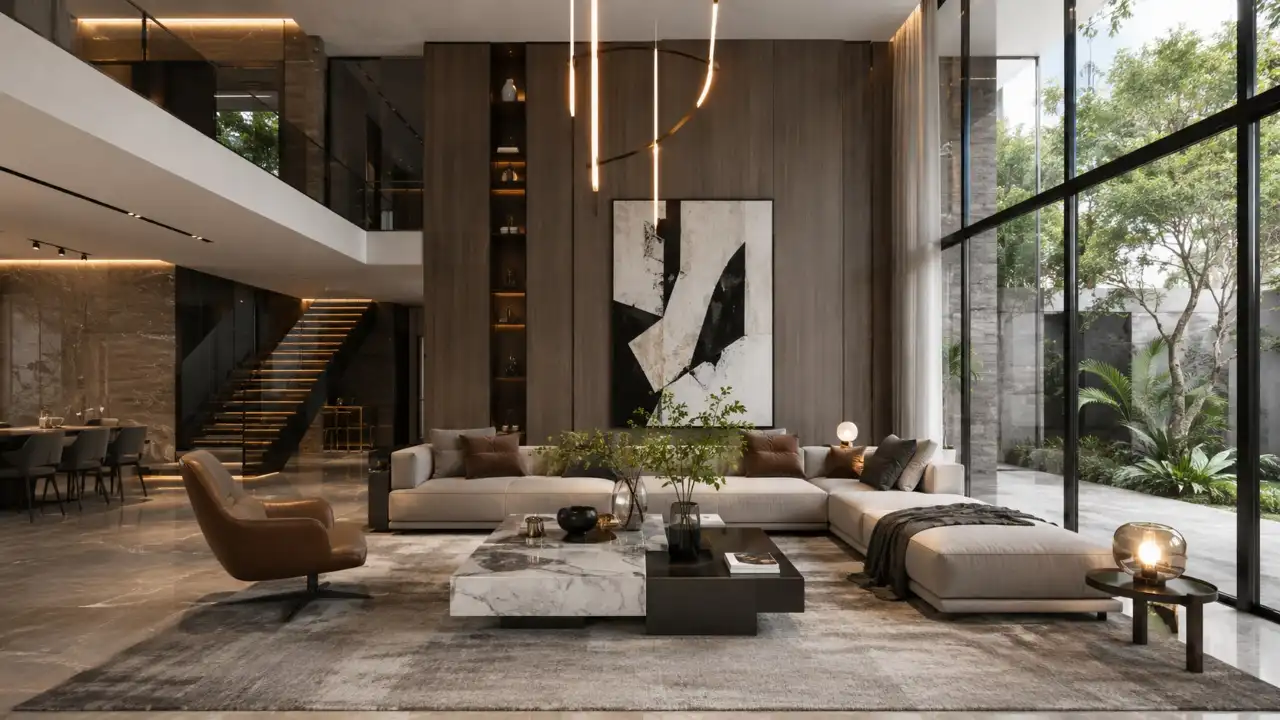
Modern luxury interior design has shifted dramatically over the past decade. It no longer revolves around excess, gold finishes, or oversized chandeliers alone. Today, luxury is defined by intention, craftsmanship, personalization, and comfort. In this detailed guide from A Posts LuxuryInteriors.org Blog, we explore modern luxury interior design ideas that reflect current trends, real-world application, and timeless value.
If you’re searching for high-end inspiration, planning a renovation, or designing a premium property, this guide provides depth, clarity, and practical insight—without fluff.
Understanding Modern Luxury: It’s About Experience, Not Price Tags
True luxury design creates an experience the moment someone walks into a room. It feels calm, curated, and cohesive. According to a 2024 Houzz U.S. Interior Trends Study, more than 60% of high-budget homeowners prioritize comfort and livability over decorative complexity.
That shift reveals something important: luxury now focuses on quality over quantity.
Instead of filling rooms with decorative objects, designers carefully select fewer, higher-quality pieces. The goal is to create emotional impact through thoughtful design rather than visual overload.
1. Intentional Minimalism with High-End Finishes
Minimalism dominates modern luxury interiors—but not in a cold or sterile way. Today’s minimalism embraces warmth and texture.
How It Works in Real Homes
- Smooth plaster walls paired with natural stone flooring
- Custom cabinetry with handleless designs
- Sculptural furniture with clean lines
In luxury residences, designers often use open floor plans with defined zones created through lighting and furniture placement rather than walls. This preserves spaciousness while maintaining function.
Professional Insight: In high-end residential projects, I’ve seen clients respond strongly to negative space. Leaving breathing room around statement pieces increases their perceived value and impact.
2. Premium Materials That Age Beautifully
Luxury interiors rely on materials that improve over time. Instead of synthetic finishes, designers prioritize authenticity.
Materials Dominating Modern Luxury Spaces
- Natural marble and quartzite
- Solid wood flooring (especially European oak)
- Handmade ceramic tiles
- Brushed brass and matte black metals
- Bouclé, velvet, and linen upholstery
According to Architectural Digest’s 2025 design forecast, natural textures and tactile materials are among the top requests in luxury homes.
Why? Because they add depth and sensory richness. When someone touches a solid wood table or sits on a tailored velvet sofa, the quality feels undeniable.
3. Statement Lighting as Architectural Art
Lighting defines mood more than almost any other element. In modern luxury interiors, lighting serves both functional and artistic roles.
Popular Lighting Applications
- Oversized pendant lights above kitchen islands
- Integrated LED strips under floating staircases
- Layered lighting systems with dimmable controls
- Backlit stone walls for dramatic effect
Designers now treat lighting as architecture. Instead of adding lamps after construction, they integrate lighting during planning to shape ambiance intentionally.
Real-World Example: In luxury penthouses, recessed ceiling lights combined with sculptural fixtures create layered depth that adapts from daytime brightness to evening intimacy.
4. Seamless Smart Home Integration
Technology has become a defining feature of luxury spaces—but it must remain invisible.
Modern high-end interiors incorporate:
- Automated window treatments
- Climate-controlled flooring systems
- Smart mirrors
- Voice-activated lighting and entertainment
The difference between standard smart homes and luxury smart homes lies in subtlety. Cables disappear. Panels integrate into walls. Systems operate intuitively.
Home automation increases property value and buyer appeal. According to Coldwell Banker’s smart home study, 81% of buyers prefer move-in-ready smart technology features in upscale homes.
5. Personalized and Custom Elements
True luxury feels bespoke.
Custom millwork, commissioned art, and tailor-made furniture elevate interiors beyond catalog designs.
Examples of Customization
- Built-in wine cellars with temperature-controlled glass
- Custom kitchen islands with waterfall edges
- Handmade headboards designed for specific bedroom proportions
- Curated art collections matching the homeowner’s personality
Personalization increases emotional connection. It also makes homes memorable—an essential factor in the competitive luxury real estate market.
6. Indoor-Outdoor Continuity
Luxury homeowners increasingly demand seamless indoor-outdoor living.
Floor-to-ceiling sliding glass doors, covered patios, and outdoor kitchens extend interior design outdoors.
Design Strategies That Work
- Matching indoor stone flooring with outdoor patio surfaces
- Coordinating color palettes between interior and landscape
- Installing outdoor fireplaces or water features
In states like California and Florida, luxury homes often dedicate 30–40% of total living space to outdoor areas. That shift highlights how lifestyle influences design priorities.
7. Neutral Palettes with Depth and Warmth
Modern luxury spaces lean toward sophisticated neutrals.
However, neutral doesn’t mean boring.
Trending tones include:
- Warm greige
- Deep taupe
- Charcoal gray
- Muted olive
- Soft clay and terracotta
Designers layer neutrals through texture rather than color contrast. For example, pairing matte plaster walls with velvet upholstery and brushed metal finishes creates depth without visual chaos.
8. Wellness-Focused Design
Luxury design now supports mental and physical well-being.
Homeowners increasingly request:
- Dedicated meditation rooms
- Spa-inspired bathrooms with soaking tubs
- Infrared saunas
- Air purification systems
- Soundproofed spaces for relaxation
The Global Wellness Institute reports that the wellness real estate market has grown significantly in the past five years, reflecting how lifestyle and design now intersect.
Luxury isn’t just about how a home looks—it’s about how it makes you feel.
9. Sustainability as a Standard, Not a Trend
Eco-conscious design has become non-negotiable in luxury interiors.
Affluent homeowners seek:
- Energy-efficient appliances
- Solar integration
- Ethically sourced materials
- Low-VOC paints
- Reclaimed wood features
Sustainability aligns with long-term investment thinking. Durable materials reduce replacement costs and environmental impact.
High-end buyers increasingly view sustainable construction as a marker of modern sophistication rather than compromise.
10. Functional Luxury: Spaces That Adapt
Flexibility defines contemporary luxury.
Multi-purpose spaces allow homeowners to adapt environments as needs evolve.
Examples include:
- Offices that convert into guest rooms
- Dining rooms with extendable custom tables
- Basement lounges doubling as home theaters
Designers achieve flexibility through concealed storage, modular furniture, and architectural planning.
Luxury now means living smarter—not just bigger.
Why Modern Luxury Design Continues to Evolve
Economic shifts, remote work culture, wellness awareness, and sustainability priorities all shape design trends. Yet one constant remains: luxury must deliver both beauty and performance.
A successful luxury interior balances:
- Visual harmony
- Emotional comfort
- Durability
- Smart innovation
- Personal storytelling
When executed correctly, modern luxury interiors feel effortless—even though they require expert planning and precision.
Final Thoughts: Designing for Long-Term Value
This in-depth feature from A Posts LuxuryInteriors.org Blog highlights a critical reality: modern luxury interior design isn’t about trends alone. It’s about thoughtful decision-making, authentic materials, and creating spaces that support lifestyle and longevity.
If you’re planning a high-end renovation or building a custom property, focus on:
- Investing in materials that age well
- Prioritizing comfort and usability
- Integrating technology discreetly
- Choosing timeless over trendy
- Designing for both beauty and well-being
Luxury design should serve you for decades—not just impress guests for a moment.
When you align experience, craftsmanship, and personalization, your interior becomes more than a space. It becomes a statement of intentional living.