
 By Ahenry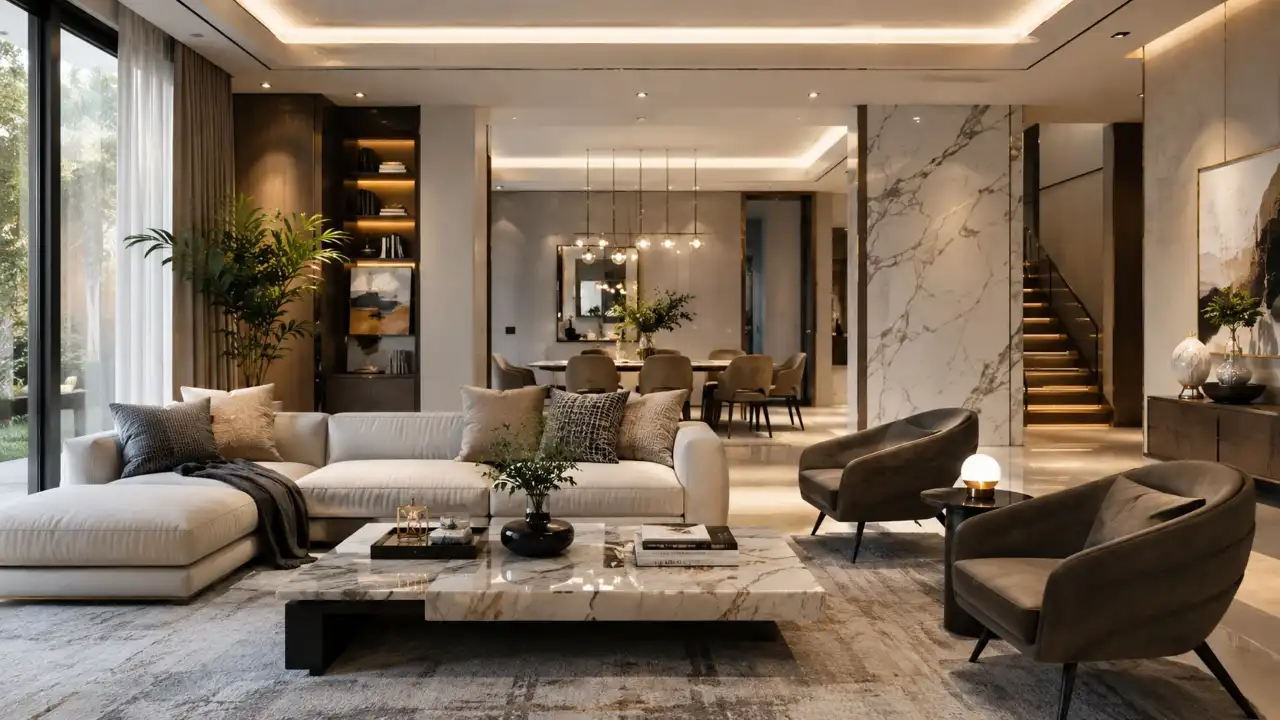
Luxury interior design has shifted far beyond glossy magazine looks and overly decorated spaces. Today, it is about comfort, intention, and creating environments that genuinely improve how people live. A post luxuryinteriors.org blog reflects this shift by focusing on practical design thinking rather than just visual inspiration.
Instead of chasing trends, modern luxury interiors prioritize long-term usability, emotional comfort, and architectural harmony. This article breaks down those principles in a clear, practical way so you can apply them in real homes—not just admire them online.
What Modern Luxury Interior Design Really Means
Luxury in 2026 is no longer defined by how expensive a room looks. It is defined by how well it functions and how it makes you feel.
Modern luxury design typically includes:
- Clean, intentional layouts
- High-quality but minimal materials
- Balanced lighting systems
- Personalized space planning
The goal is not to overwhelm the senses but to create calm, refined environments where everything has a purpose.
In fact, designers now often say: “Luxury is simplicity executed perfectly.”
The Design Philosophy Behind High-End Interiors
One of the most important shifts in interior design is the move from decoration to experience. Instead of filling a space with objects, designers focus on how people move, rest, and interact within it.
1. Purpose-driven design
Every element must justify its presence. A chair is not just decorative—it must be comfortable, functional, and proportionate to the room.
2. Emotional comfort
Luxury spaces are designed to reduce stress. Soft lighting, natural textures, and open layouts contribute to a sense of calm.
3. Timelessness over trends
Fast-changing design trends are avoided in favor of materials and layouts that remain relevant for years.
This approach is often highlighted in editorial-style content like a a post luxuryinteriors.org blog, where the focus is on long-term design value rather than short-lived aesthetics.
Key Elements That Define Luxury Interiors Today
To understand modern luxury design, it helps to break it down into its core building blocks.
Space Planning That Feels Natural
Good space planning is invisible—it simply feels right.
Luxury interiors often follow these principles:
- Open movement between zones
- Clear focal points in each room
- Balanced furniture placement
- No unnecessary visual clutter
Even small homes can feel expansive when layout is thoughtfully designed.
Material Selection That Elevates the Space
Materials are the foundation of luxury interiors. Instead of relying on decoration, designers use texture and finish to create depth.
Popular combinations include:
- Natural stone with matte finishes
- Warm wood paired with soft fabrics
- Metal accents used sparingly for contrast
The key is restraint. Too many materials can make a space feel chaotic rather than luxurious.
Lighting That Shapes Mood
Lighting is one of the most powerful tools in interior design, yet it is often underestimated.
A well-designed luxury space usually includes:
- Ambient lighting for overall brightness
- Task lighting for specific activities
- Accent lighting to highlight architectural features
Layered lighting allows a room to shift mood throughout the day—from energetic in the morning to calming at night.
Real Example: Designing a Luxury Bedroom
To see how these ideas work in practice, consider a modern bedroom design.
Step 1: Start with a calm foundation
Neutral tones like beige, soft grey, or muted white create a restful base.
Step 2: Focus on the bed as the centerpiece
A low-profile bed with high-quality linen immediately sets a luxury tone.
Step 3: Add texture, not clutter
Instead of filling the room with décor:
- Use a wool rug for softness
- Add wooden side tables for warmth
- Include linen curtains for flow
Step 4: Use soft, layered lighting
Wall sconces, dimmable ceiling lights, and warm bedside lamps create a relaxing atmosphere.
The result is not just a stylish room—it becomes a restorative space.
Why This Approach to Design Is Growing
People today spend more time at home than ever before, especially after global shifts in work and lifestyle patterns. As a result, interior spaces are expected to do more:
- Support remote work
- Improve mental well-being
- Offer flexibility for daily routines
This is why design philosophies highlighted in resources like a a post luxuryinteriors.org blog are gaining attention—they focus on livable luxury, not just visual appeal.
Common Mistakes in Luxury Interior Design
Even with good intentions, many designs fall short. Here are the most frequent mistakes:
Overdecorating the space
Too many accessories reduce clarity and make rooms feel smaller.
Ignoring scale and proportion
Oversized furniture in small rooms—or vice versa—disrupts balance.
Poor lighting choices
A single overhead light flattens the entire room and removes depth.
Mixing too many styles
Luxury design relies on consistency, not random combinations.
Avoiding these mistakes often improves a space more than adding new furniture.
The Role of Personalization in Modern Luxury
One of the strongest trends in interior design today is personalization. Instead of copying showroom designs, homeowners are building spaces that reflect their daily habits and identity.
Examples include:
- Reading corners tailored to personal routines
- Kitchens designed around cooking style
- Workspaces optimized for individual productivity
This shift makes interiors feel more authentic and less staged.
The Future of Luxury Interiors
Looking ahead, luxury interior design is expected to evolve in three major directions:
1. Sustainable materials
Eco-friendly design choices are becoming standard rather than optional.
2. Smart home integration
Lighting, temperature, and security systems are increasingly automated.
3. Minimal but expressive spaces
Clean design will continue, but with stronger personality through selective statement pieces.
The future of luxury is not excess—it is intelligence, simplicity, and adaptability.
Final Thoughts
Modern interior design is no longer about impressing guests—it is about improving daily life. Thoughtful planning, material selection, and lighting strategy all work together to create spaces that feel both beautiful and livable.
A a post luxuryinteriors.org blog captures this shift by focusing on practical, experience-based design insights rather than superficial decoration tips.
At its core, luxury today is not about how much you add to a space—it is about how intentionally you design it.