
 By Ahenry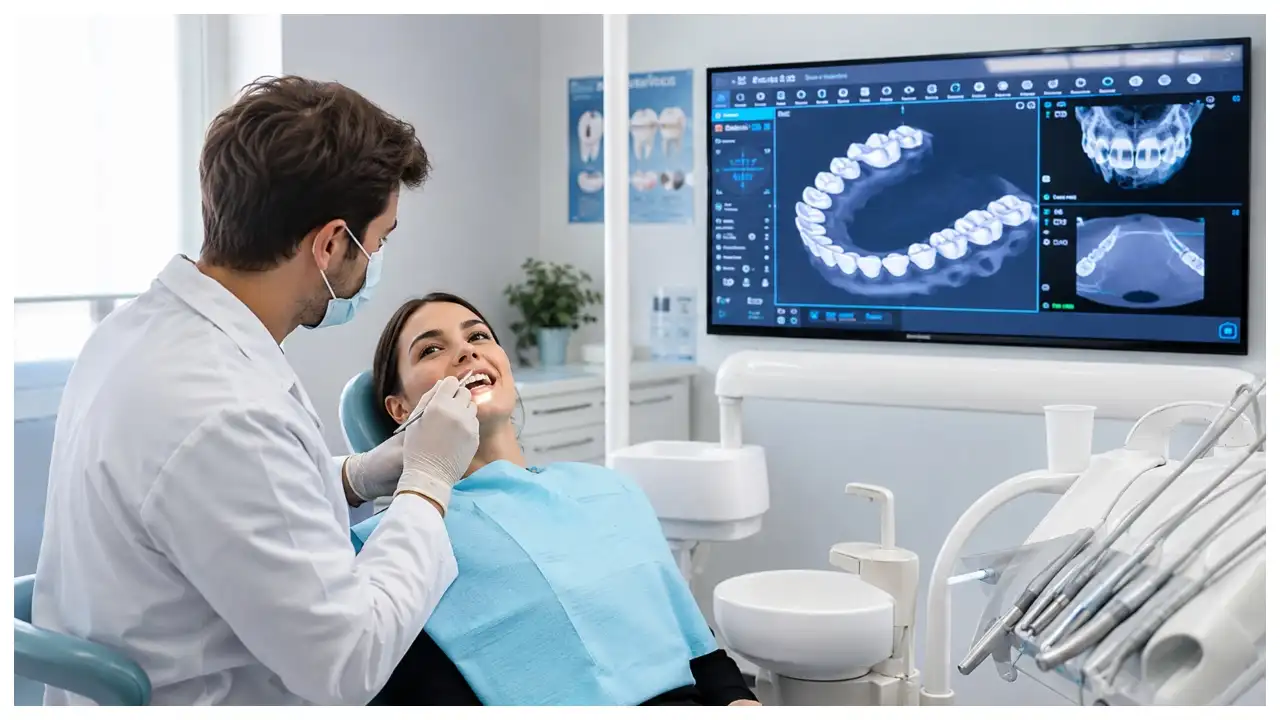
Artificial intelligence is changing healthcare faster than ever, and dentistry is no exception. From identifying cavities earlier to improving treatment planning, AI-powered tools are helping dental professionals make smarter decisions. One emerging name in this space is nerovet ai dentistry, a technology-driven approach that combines artificial intelligence with modern dental workflows to improve accuracy, efficiency, and patient outcomes.
As dental clinics face growing patient expectations and increasing workloads, AI tools are becoming valuable assistants rather than replacements for dentists. This guide explores how nerovet ai dentistry works, its benefits, practical applications, challenges, and what the future may hold for AI-powered oral healthcare.
What Is Nerovet AI Dentistry?
Nerovet AI Dentistry refers to the use of artificial intelligence technologies to support dental diagnosis, imaging analysis, treatment planning, and practice management. The goal is to help dentists analyze large amounts of clinical data quickly and identify issues that may otherwise be overlooked.
Unlike traditional software that follows fixed rules, AI systems learn from thousands of dental images, patient records, and treatment outcomes. This enables them to recognize patterns and provide recommendations based on data-driven insights.
Importantly, AI does not replace professional judgment. Instead, it serves as a digital assistant that helps dentists make more informed decisions.
Why AI Is Becoming Important in Dentistry
The dental industry generates enormous amounts of data every day, including X-rays, 3D scans, treatment histories, and patient records. Reviewing all this information manually takes time and can increase the risk of human error.
AI helps solve these challenges by:
- Analyzing dental images faster
- Detecting potential oral diseases earlier
- Supporting personalized treatment plans
- Automating repetitive administrative tasks
- Improving communication between dentists and patients
Research shows that AI is becoming increasingly important across healthcare and dental specialties because it can improve efficiency while supporting clinical decision-making.
How Nerovet AI Dentistry Works
The technology behind AI-powered dentistry follows several steps.
1. Data Collection
The system gathers information from:
- Digital X-rays
- CBCT scans
- Intraoral photographs
- Patient records
- Clinical notes
These data sources provide the foundation for AI analysis.
2. Image Analysis
Advanced machine-learning algorithms examine dental images for signs of:
- Cavities
- Bone loss
- Gum disease
- Root infections
- Fractures
- Abnormal tissue changes
The software highlights areas of concern for dentists to review.
3. Treatment Recommendations
Based on the findings, AI can suggest possible treatment pathways, helping clinicians evaluate options more efficiently.
4. Automated Reporting
Many AI systems generate easy-to-understand reports that can be shared with patients, improving transparency and trust.
Key Features of Nerovet AI Dentistry
Smart Diagnostic Assistance
One of the most valuable capabilities is AI-powered diagnostics. The system analyzes scans and identifies patterns that may indicate oral health problems.
For example, a small cavity hidden between teeth might be difficult to notice during a busy workday. AI can flag the area for closer inspection.
Advanced Dental Imaging
Modern dental imaging already provides excellent visibility. AI takes it a step further by enhancing image interpretation and helping dentists identify abnormalities more accurately.
Personalized Treatment Planning
Every patient has unique needs. AI evaluates medical history, oral health conditions, and imaging results to support customized treatment plans.
Workflow Automation
Administrative tasks consume significant time in many dental offices. AI can automate:
- Appointment reminders
- Scheduling
- Documentation
- Patient communication
This allows staff to spend more time focusing on patient care.
Real-World Applications
Early Detection of Dental Disease
Early diagnosis often leads to simpler and less expensive treatments.
AI can identify signs of:
- Tooth decay
- Periodontal disease
- Bone deterioration
- Oral abnormalities
Detecting these conditions early helps improve long-term outcomes.
Orthodontic Planning
Orthodontists can use AI to predict tooth movement and evaluate treatment progress. This improves planning for braces and aligners.
Dental Implants
AI assists with implant placement by analyzing bone density, positioning, and anatomical structures before surgery.
Patient Education
Patients often struggle to understand complex dental findings. AI-generated visual reports make it easier to explain conditions and treatment options.
Benefits for Dental Clinics
Improved Accuracy
AI acts as a second set of eyes, helping clinicians review images and identify areas that deserve closer attention.
Faster Decision-Making
Automated analysis reduces the time needed to evaluate scans and records.
Better Patient Experience
Patients benefit from:
- Faster appointments
- Clearer explanations
- More personalized treatment plans
Increased Efficiency
Automation reduces administrative burdens and helps clinics manage larger patient volumes.
What Dental Professionals Are Saying About AI
Many dentists view AI as a useful support tool rather than a replacement for expertise.
In professional discussions, dentists frequently report that AI helps double-check radiographs and improves patient communication by visually highlighting areas of concern. However, they also emphasize that human judgment remains essential because AI can occasionally miss issues or generate false positives.
This balanced perspective reflects the most realistic role of AI in dentistry today: assistance, not autonomy.
Challenges and Limitations
While the technology is promising, it is not perfect.
Data Privacy
Dental AI systems process sensitive patient information. Clinics must ensure compliance with privacy regulations and security standards.
False Positives
AI may occasionally flag healthy structures as problematic. Dentists must verify all findings before making treatment decisions.
Integration Costs
Implementing AI solutions often requires investment in software, training, and infrastructure.
Regulatory Oversight
AI healthcare tools must undergo rigorous validation before widespread adoption. Experts continue to emphasize the importance of clinical testing and transparency.
The Future of AI-Powered Dentistry
The future looks promising. Researchers are developing advanced dental foundation models capable of handling multiple tasks, including diagnostics, treatment analysis, and patient communication. Recent studies suggest that combining specialized dental AI models with large language models could significantly improve clinical workflows.
Future developments may include:
- Real-time diagnostic support
- More accurate disease prediction
- Automated treatment simulations
- Enhanced virtual consultations
- Better integration with digital dental ecosystems
As these innovations mature, AI will likely become a standard component of modern dental practices.
Final Thoughts
Nerovet AI Dentistry represents the growing intersection of artificial intelligence and oral healthcare. By improving diagnostics, enhancing imaging analysis, supporting treatment planning, and automating administrative tasks, AI has the potential to make dental care smarter and more efficient.
However, success depends on responsible implementation. The most effective approach combines advanced technology with the experience and judgment of qualified dental professionals. AI can provide valuable insights, but dentists remain the decision-makers.
For clinics looking to improve efficiency and patient outcomes, AI-powered dental solutions may become one of the most important investments of the next decade. As the technology continues to evolve, it is clear that smart dentistry is no longer a future concept—it is already here. For more informative articles, visit our site daily.