
 By Ahenry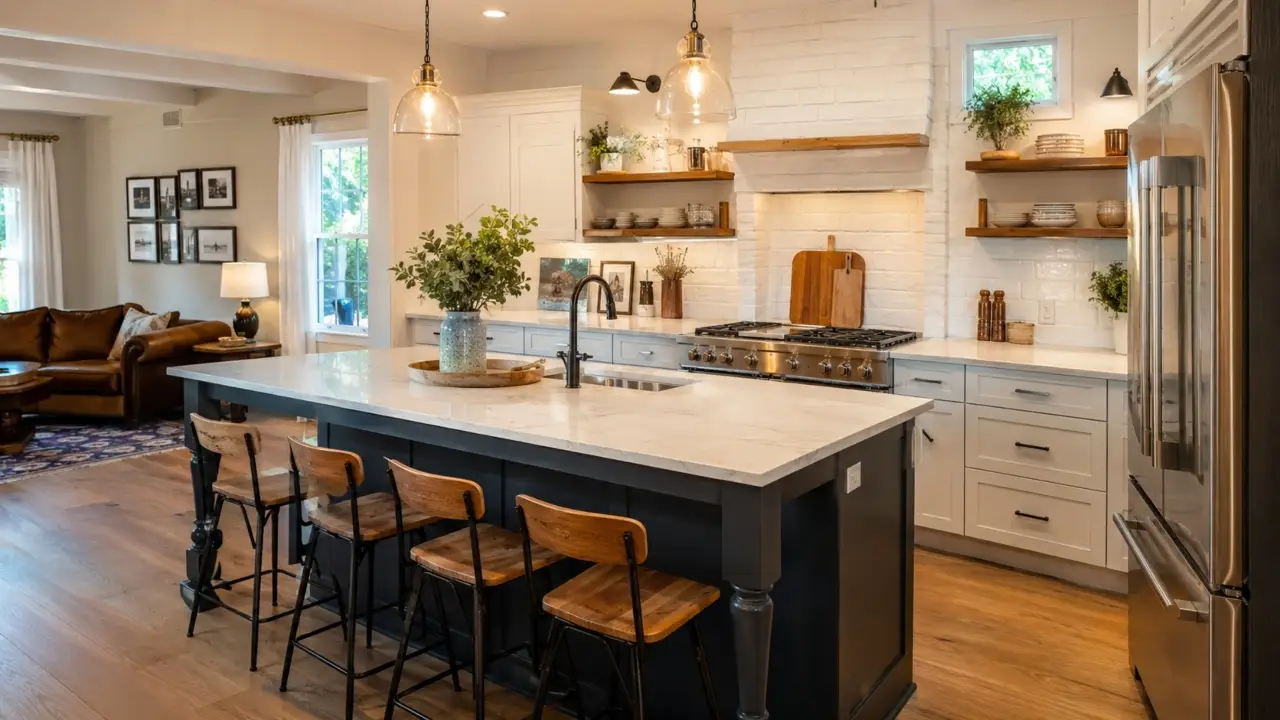
Upgrading a home is no longer just about aesthetics—it’s about functionality, long-term value, and lifestyle improvement. The concept of home upgrading mintpalment reflects a modern approach to enhancing living spaces with thoughtful planning, cost efficiency, and sustainable choices. Whether you’re renovating a single room or transforming your entire property, understanding the right strategy can make all the difference.
This guide breaks down practical, experience-driven insights to help you upgrade your home in a way that is both financially smart and visually rewarding.
Understanding the Concept of Home Upgrading Mintpalment
The term home upgrading mintpalment refers to a structured, mindful approach to home improvement where design, utility, and budget align. Instead of random renovations, this method focuses on planned upgrades that improve quality of life and increase property value.
Modern homeowners are shifting away from unnecessary luxury spending and toward purposeful improvements. According to a 2024 home improvement report by Houzz, over 61% of homeowners prioritize functionality over aesthetics alone when renovating.
This trend highlights a clear shift: people want homes that work better, not just look better.
Why Strategic Home Upgrading Matters Today
Home improvement spending continues to rise globally. In the U.S. alone, homeowners spent over $500 billion annually on renovations and upgrades in recent years. But not all upgrades deliver equal value.
A strategic approach ensures:
- Better return on investment (ROI)
- Lower long-term maintenance costs
- Improved energy efficiency
- Enhanced comfort and livability
For example, replacing old windows with energy-efficient double glazing can reduce heating and cooling bills by up to 15–25%, according to the U.S. Department of Energy.
This is where the mintpalment approach becomes useful—it encourages prioritizing upgrades that deliver measurable value.
Step 1: Start With a Home Performance Audit
Before making any changes, evaluate your home’s current condition. This step is often ignored but is critical for smart planning.
Check:
- Energy efficiency (insulation, windows, HVAC system)
- Structural integrity (walls, roofing, foundation)
- Plumbing and electrical systems
- Space utilization and layout flow
For example, many older homes lose significant energy through poor insulation. Fixing this first often reduces energy bills before any cosmetic changes are made.
A simple audit helps you avoid spending money on upgrades that don’t address underlying issues.
Step 2: Prioritize High-Impact Areas
Not all rooms or features contribute equally to home value or comfort. Focus on areas that deliver the highest return.
1. Kitchen Upgrades
The kitchen remains the most valuable renovation space. Even minor updates like cabinet refacing, new countertops, or modern lighting can deliver up to 70–80% ROI.
2. Bathroom Improvements
Upgraded bathrooms are highly attractive to buyers. Installing water-efficient fixtures and modern tiles can significantly increase perceived value.
3. Living Spaces
Open layouts, better lighting, and modern flooring dramatically improve daily comfort and visual appeal.
By prioritizing these zones, your home upgrading mintpalment strategy becomes more cost-effective and impactful.
Step 3: Focus on Energy Efficiency First
Energy-efficient homes are no longer optional—they are essential. Rising utility costs make this one of the most practical upgrade areas.
Consider:
- LED lighting installation
- Solar panel systems
- Smart thermostats
- High-efficiency HVAC systems
Studies show that homes with energy-efficient upgrades sell faster and at higher prices compared to non-upgraded homes.
For instance, smart thermostats alone can reduce heating and cooling costs by up to 10–12% annually.
Step 4: Smart Technology Integration
Modern home upgrades increasingly include smart technology. This is not just a luxury trend—it improves convenience and security.
Popular upgrades include:
- Smart locks and security systems
- Voice-controlled lighting
- Automated blinds
- Smart appliances
A real-world example: A homeowner installing a smart security system not only improves safety but may also reduce insurance premiums in some cases.
The key is to integrate technology that simplifies daily routines rather than complicates them.
Step 5: Budget Planning and Cost Control
One of the biggest mistakes homeowners make is starting without a clear budget. A structured financial plan prevents overspending and project delays.
A practical budgeting method:
- 40% structural and essential repairs
- 30% interior upgrades
- 20% design and aesthetic improvements
- 10% contingency fund
This balanced approach ensures that essential improvements are not sacrificed for cosmetic changes.
In home upgrading mintpalment, financial discipline is just as important as design quality.
Step 6: Sustainable and Long-Term Choices
Sustainability is becoming a core principle in modern home upgrades. Eco-friendly materials and systems not only reduce environmental impact but also improve long-term savings.
Examples include:
- Bamboo or recycled wood flooring
- Low-VOC paints for better indoor air quality
- Water-saving plumbing fixtures
- Solar water heaters
Sustainable homes are also more attractive in the real estate market, especially among younger buyers who prioritize environmental responsibility.
Step 7: Real-World Example of a Smart Upgrade Plan
Consider a mid-sized suburban home with outdated interiors and high energy bills.
A structured upgrade plan might include:
- Replacing insulation and sealing air leaks
- Upgrading kitchen appliances to energy-efficient models
- Installing LED lighting throughout the home
- Renovating bathrooms with water-saving fixtures
- Adding smart home controls for lighting and temperature
Result:
- 20–30% reduction in utility costs
- 15–25% increase in property value
- Significantly improved comfort and usability
This example shows how strategic planning creates measurable benefits.
Common Mistakes to Avoid
Even with good intentions, homeowners often make costly errors:
- Ignoring hidden structural issues
- Over-investing in decorative upgrades too early
- Following trends without considering long-term value
- Skipping professional assessments
Avoiding these mistakes ensures your upgrade journey stays efficient and rewarding.
Final Thoughts
The idea of home upgrading mintpalment is not just about renovation—it’s about transformation with purpose. A well-planned upgrade improves how you live every day while also strengthening your property’s long-term value.
By focusing on functionality, energy efficiency, smart budgeting, and sustainable materials, homeowners can achieve powerful results without unnecessary waste.
A successful home upgrade is not defined by how much you spend—but by how intelligently you invest in your space.